Flatbreads
Neapolitan Pizza Dough
The Neapolitan-style dough that turns a Saturday night into an event. Long cold ferment, minimal yeast, hand-stretched. The home-oven version won't match a wood-fired Naples pizza — but get a steel and a hot grill going and you'll come closer than you'd think.
Schedule
Kitchen temperature
22°C · AverageCooler kitchens slow fermentation; warmer ones speed it up. Proof times below adjust automatically — always go by the dough's look and feel, not just the clock.
Domestic oven: crank to its max — most go to 250°C. Preheat a pizza stone or steel on the top shelf for at least 45 min, then switch to the top grill/broiler for the last few minutes for proper leoparding. Outdoor pizza oven (Ooni, Gozney, wood-fired): aim for a stone temp of 450°C — bakes in 60–90 sec. Turn the pizza every 20 sec so it cooks evenly.
Plan this bake
Pick when you want to eat — we'll work backwards.
Method
Preferment
Add a pre-fermented sponge for deeper flavour, better crumb and longer keeping.
Straight dough
—
Mix everything at once. Fastest route to bread.
Why use it
- Quick — same day bake
- Beginner-friendly
- Predictable timing
How to build
- 1.Mix all ingredients in one go.
- 2.Bulk, shape, proof, bake.
Smart calculator
Ingredients
841g total · 841g/loaf
- 00 flour500g · 100.0%
- Water325g · 65.0%
- Salt14g · 2.8%
- Instant yeast1.5g · 0.30%
By Hand method
Before you start
- Use water at 24–28°C / 75–82°F for standard yeasted dough — friction from your hands adds 1–2°C.
- If your kitchen is above 24°C, use cooler water and shorten the knead.
- 1
Combine flour, water, salt and yeast in a large bowl. Mix until no dry flour remains.
5 min - 2
Knead on a lightly floured surface using slap & fold or push-pull. Knead until smooth, then rest in the fridge.
10–14 minCue: Smooth, elastic, passes the windowpane test - 3
Check dough temperature with a thermometer. Adjust water temp on your next bake if it's off target.
Target 24–26°C / 75–79°F - 4
Place in an oiled bowl, cover and bulk ferment until almost doubled in size.
Bulk ferment · check after 1 hr - 5
Shape gently, place into tin or onto a tray, cover for the final proof.
Final proof · Cold 24 hr - 6
Bake in a preheated oven until deep golden and the loaf sounds hollow when tapped underneath.
Bake
Equipment & gear
Digital scale (1g resolution)Essential
Bread is chemistry — cups won't cut it.
Shop Casa & Casa Electronic Kitchen Scale · £11.75Instant-read thermometerEssential
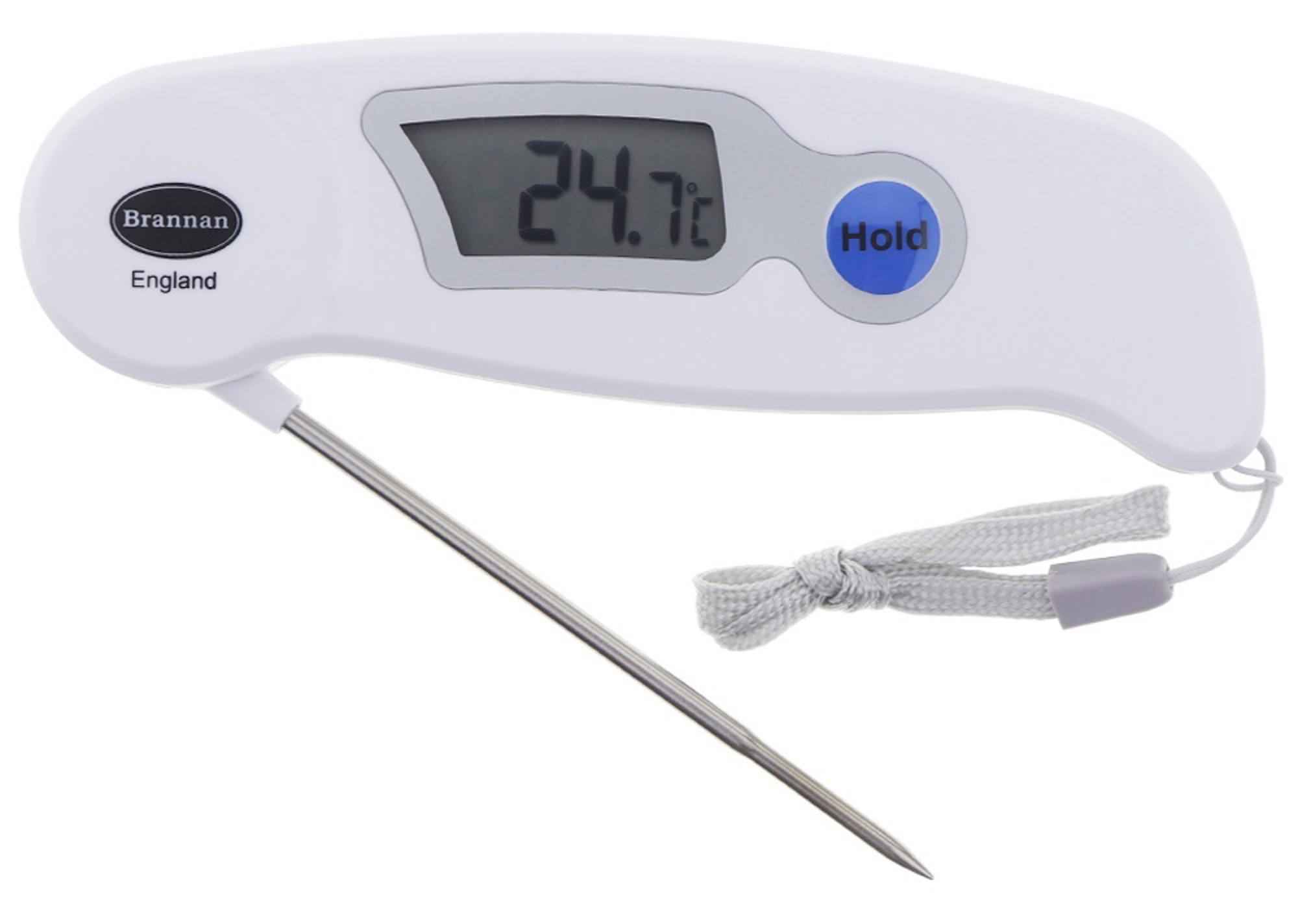
For dough temp + checking doneness (95–98°C internal).
Shop Brannan Stainless Steel Folding Probe Thermometer · £13.50Bench scraperEssential
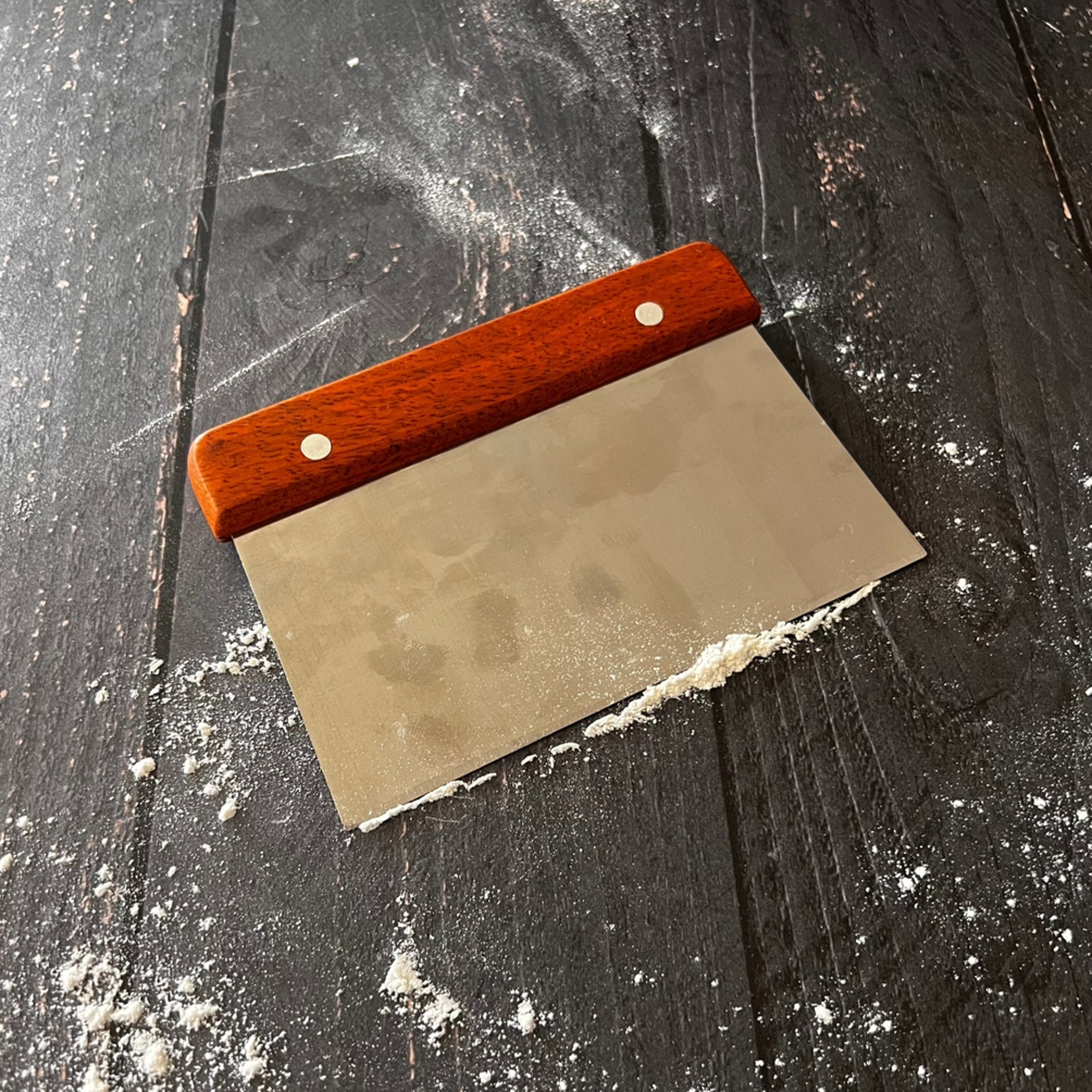
For dividing, shaping and cleaning sticky dough.
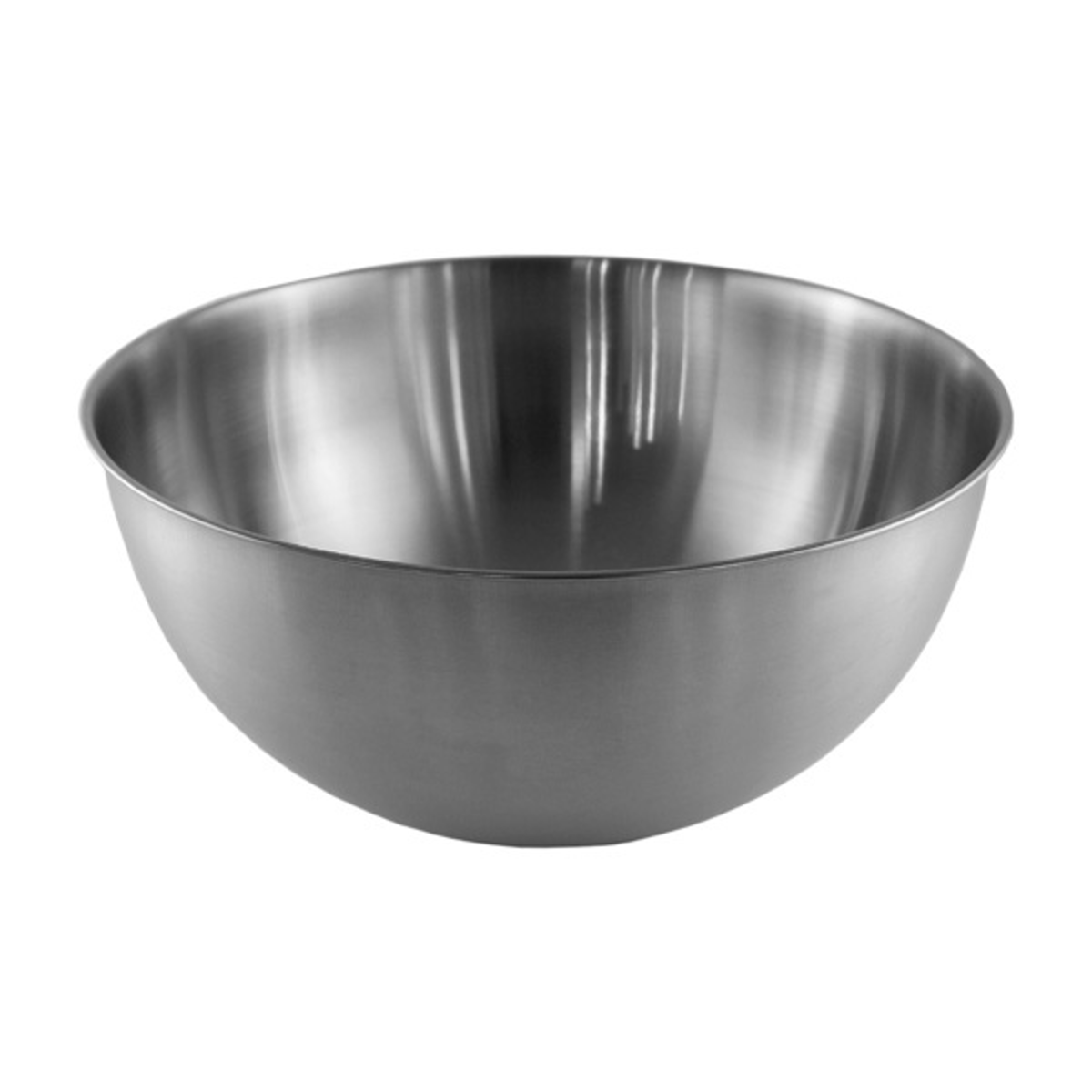
Shop Wooden Bench Scraper · £12.00Large mixing bowl + cover
Glass or clear plastic helps you see fermentation activity.
Shop Probus Stainless Steel Mixing Bowl (3.6L) · £9.75Pizza stone or steelEssential
Steel transfers heat ~3× faster than stone — game-changer for crust and leoparding.
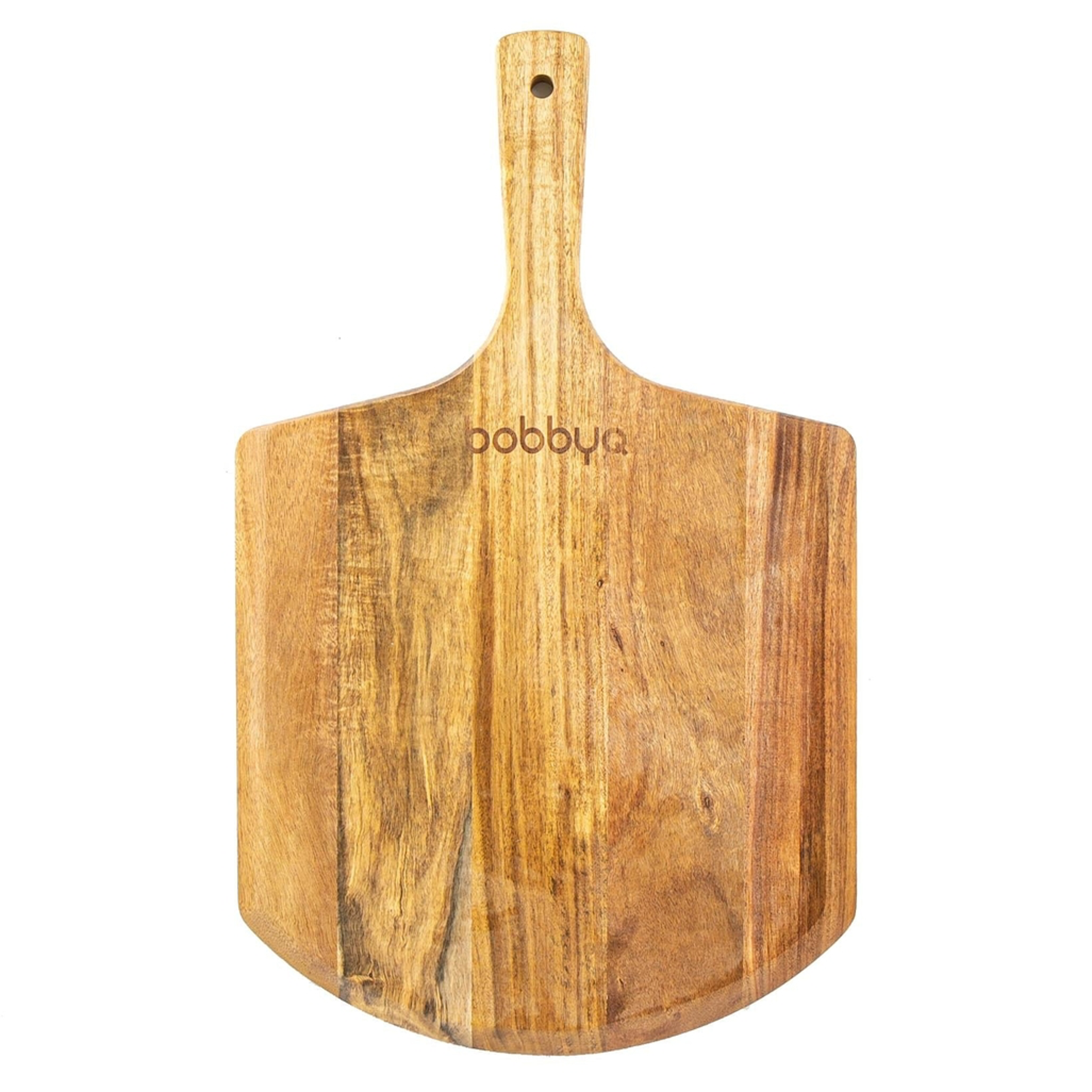
Shop Cordierite Pizza Stone (38 cm) · £42.00Pizza peel (wood + metal)Essential
Wood for launching (semolina won't stick), metal for turning and retrieving.
Shop Bobbyq Wooden Pizza Peel — 30cm · £18.90Dough boxes or trays
For balling and cold-fermenting individual pizza balls without them sticking together.
Ingredient notes
Why each ingredient matters — and what you can swap.
00 flour
Caputo Pizzeria is the benchmark — soft, fine, made for Neapolitan pizza. Bread flour works but the chew is different.
Sub: Caputo Pizzeria, Antimo Caputo Chef's, or 50/50 bread flour + AP
Water (65%)
Cold water (15°C) keeps fermentation slow during the room-temp bulk and lets the long cold ferment do its work.
Sub: Filtered if heavily chlorinated
Salt (2.8%)
Higher than bread — pizza needs flavour and gluten reinforcement. Don't reduce.
Sub: Fine sea salt only
Instant yeast (0.3%)
Tiny amount — the long cold ferment does the leavening. More yeast = blown-out flavour.
Sub: Active dry × 1.25, dissolved in the water first
Sensory cues per stage
Dough is ready when… look, feel, smell.
After mix
- Look
- Smooth, slightly tacky ball
- Feel
- Strong, slightly stretchy
- Smell
- Faint wheat
After 1 hr bulk
- Look
- Slightly puffed
- Feel
- Soft, less elastic
- Smell
- Faintly yeasty
After 24 hr cold ferment
- Look
- Risen, domed, full of small bubbles
- Feel
- Cold, supple, easy to handle
- Smell
- Wheaty, faintly yeasty
Balls at room temp (1–2 hr)
- Look
- Soft, slightly puffed, glossy
- Feel
- Relaxed, stretches without snapping back
- Smell
- Yeasty, mild, sweet
Troubleshooting
Symptom → cause → fix. Use it mid-bake.
| Symptom | Cause | Fix |
|---|---|---|
| Dough snaps back when stretching | Balls too cold or underproofed at room temp | Bring balls out 1.5–2 hr before stretching. Stretch slowly — let gravity help, don't fight it. |
| Soggy bottom, crisp top | Stone not hot enough or wet toppings | Preheat stone 45 min on max, finish under broiler. Drain mozzarella; blot tomatoes. |
| No leoparding (charred spots) | Oven not hot enough | Crank to max + broiler-on for the last 60–90 sec. A pizza steel transfers heat 3× faster than stone. |
| Tough, cracker-like crust | Rolled with a pin or under-fermented | Stretch by hand, never roll. Cold ferment minimum 24 hr — flavour and chew both develop with time. |
| Tearing when stretching | Dough too thin in centre, or not enough rest | Use 250–280g balls. Stretch from the centre outward, leaving a thicker rim. Pre-stretch in the air to release tension. |
| No leoparding / spotting | Oven not hot enough or stone not preheated long enough | Preheat stone or steel 45+ min on max. Finish with broiler-on for 60–90 sec. |
| Dough snaps back, won't stretch | Underproofed or balls too cold | Bring balls to room temp 1–2 hr before shaping. Stretch slowly — let gravity do the work. |
| Soggy bottom, crisp top | Wet toppings or cold stone | Drain mozzarella, blot tomatoes. Make sure the stone is fully reheated between bakes. |
| Tough, cracker-like base | Too much rolling, not enough hydration | Stretch by hand on semolina. Bump hydration by 3–5% if your flour can take it. |
- • Cold ferment 24–48 hr for the best flavour.
- • Use 00 flour for an authentic chew.
- • Soft, extensible dough that doesn't tear.
- • Rolling with a pin — stretch by hand.
Make-ahead
- Mix Friday morning, ball Friday evening, bake Saturday or Sunday night.
- Balls can cold-ferment for up to 72 hr — flavour peaks around 48 hr.
- Freeze balls after 24 hr cold ferment, wrapped in cling. Thaw in fridge overnight, then 2 hr at room temp before stretching.
Storage
- Pizza is best within minutes of leaving the oven. Cold leftover slices the next morning are a recognised delicacy.
- Reheat in a hot dry pan for 3 min — far better than microwave.
Variations
Spin-offs once you've nailed the base recipe.
Margherita
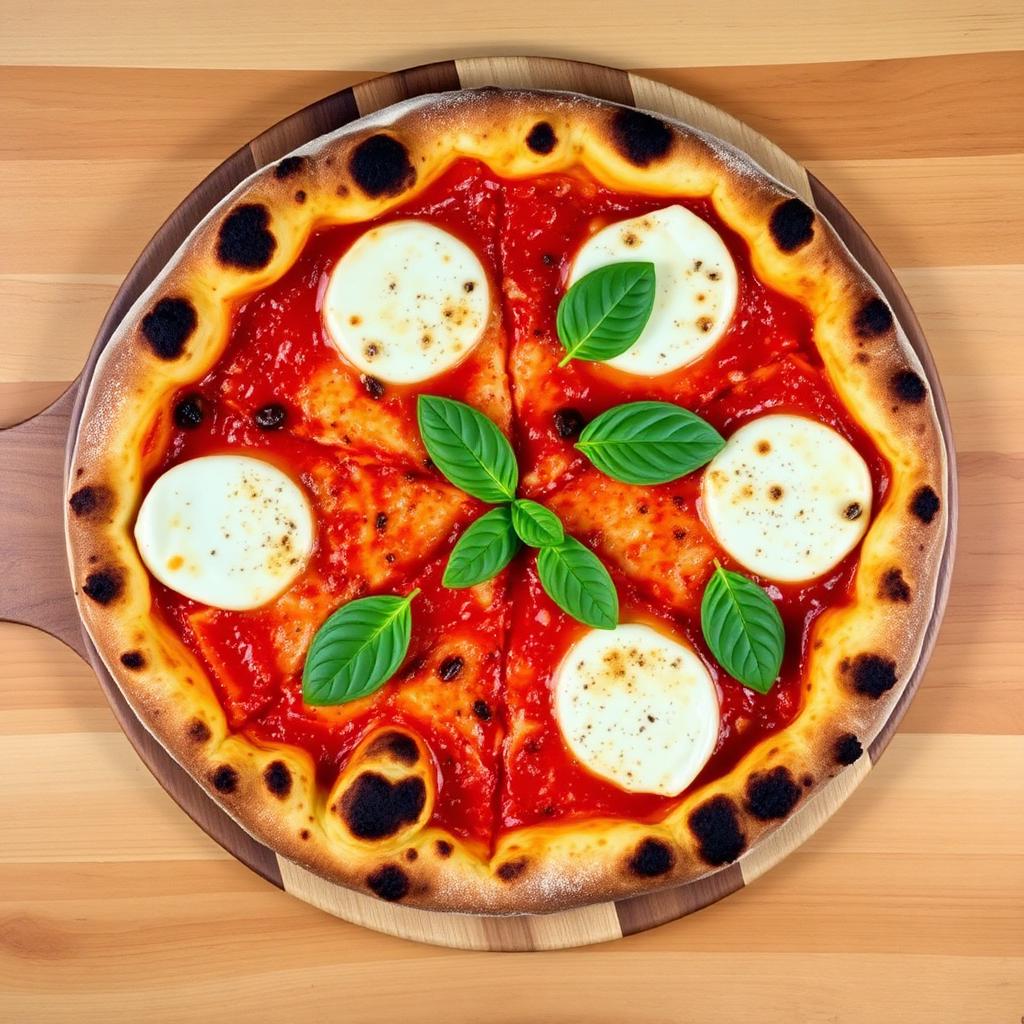
San Marzano tomato + fresh mozzarella + basil + olive oil. The benchmark. Less is more.
Marinara
Tomato + garlic + oregano + olive oil. No cheese. The Neapolitan classic for purists.
Bianca
Olive oil base + ricotta dollops + garlic + lemon zest after baking. No tomato.
Diavola
Tomato + spicy salami + chilli + a finish of honey. Sweet/spicy magic.
Sourdough version
Replace yeast with 8% ripe levain. See the sourdough pizza recipe for full guidance.
Substitutions
Smart swaps that actually work — with the gotchas spelled out.
Flour swaps
→ Bread flour (12–13% protein)
up to 100%Hydration: 0%Structure: strongerBetter oven spring; slightly less extensible. Fine for most loaves.
Yeast converter
For fresh yeast, use 3× the instant amount. For active dry, use 1.25× and bloom in warm water (38°C / 100°F) for 5 min before mixing. Open the calculator for exact gram conversions.
Baker's notes
- Get the balls out of the fridge in time — cold dough is unstretched dough. 2 hr is the right ballpark.
- Top sparingly. Home ovens can't handle overloaded pizzas — they go soggy.
- A pizza steel + grill/broiler combo transforms home pizza. The single best upgrade you can buy.
- Weigh your water too — it's far more accurate than measuring cups, especially at high hydration.
- Dough temperature is the most under-rated variable. Aim for 24–26°C at the end of mix; cool kitchen = warm water, warm kitchen = cold water.
- End fermentation by sight and feel, not the clock. The times in this recipe assume 22°C ambient — a 4°C swing changes everything.
What's happening in the dough
- A 24–48 hr cold ferment in the fridge develops complex flavour and a relaxed, easy-to-stretch dough — far better than a same-day mix.
- Higher salt (2.8%) tightens the gluten and gives that distinctive pizza chew.
- 00 flour is finely milled with a softer protein — it absorbs less water, so the dough stays elastic instead of going slack.
Serving
- Slice with a wheel cutter or scissors. Eat immediately while the cheese is still bubbling.
- Cold lager, chianti, or a Negroni — pizza doesn't need much.
Recommended kit
All tools →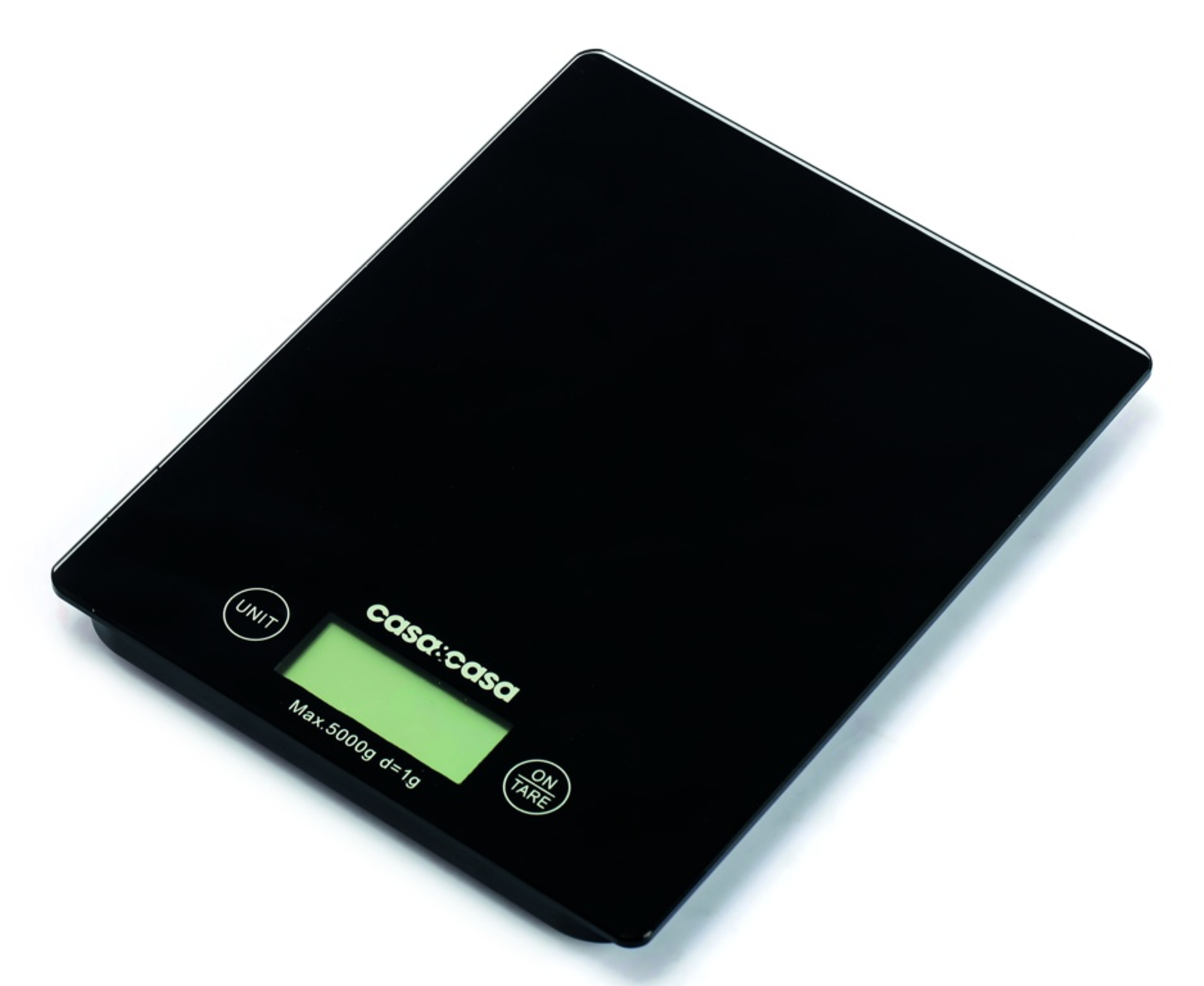

Reviews