Flatbreads
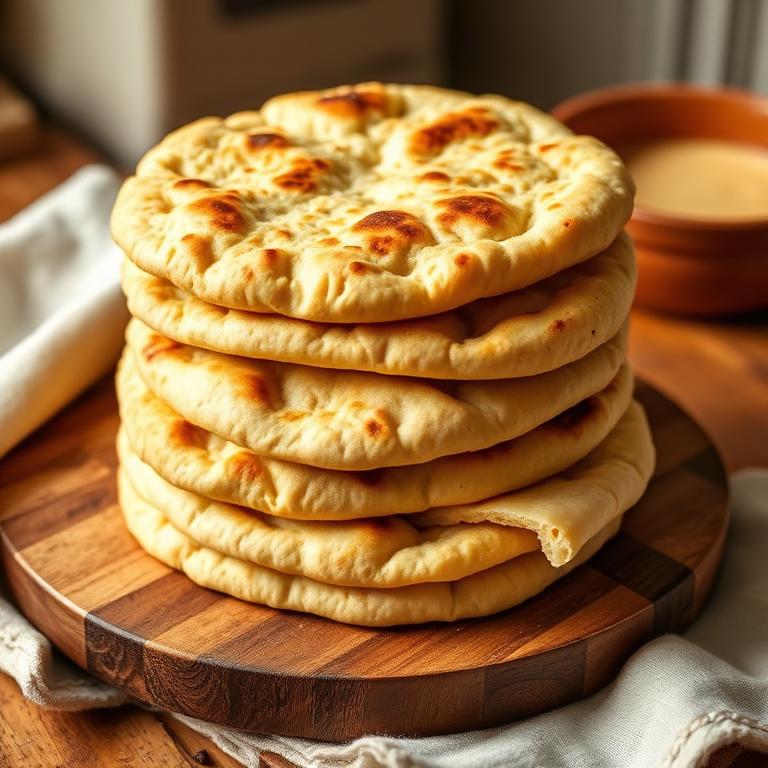
Pita Bread
Schedule
Kitchen temperature
22°C · AverageCooler kitchens slow fermentation; warmer ones speed it up. Proof times below adjust automatically — always go by the dough's look and feel, not just the clock.
Bake on a preheated stone or steel — they puff in 60–90 sec. Stack under a towel to keep pliable.
Plan this bake
Pick when you want to eat — we'll work backwards.
Method
Preferment
Add a pre-fermented sponge for deeper flavour, better crumb and longer keeping.
Straight dough
—
Mix everything at once. Fastest route to bread.
Why use it
- Quick — same day bake
- Beginner-friendly
- Predictable timing
How to build
- 1.Mix all ingredients in one go.
- 2.Bulk, shape, proof, bake.
Smart calculator
Ingredients
840g total · 840g/loaf
- Bread flour500g · 100.0%
- Water310g · 62.0%
- Olive oil15g · 3.0%
- Salt10g · 2.0%
- Instant yeast5.0g · 1.0%
By Hand method
Before you start
- Use water at 24–28°C / 75–82°F for standard yeasted dough — friction from your hands adds 1–2°C.
- If your kitchen is above 24°C, use cooler water and shorten the knead.
- 1
Combine flour, water, salt and yeast in a large bowl. Mix until no dry flour remains.
5 min - 2
Knead on a lightly floured surface using slap & fold or push-pull. Knead 8 min until smooth and elastic.
10–14 minCue: Smooth, elastic, passes the windowpane test - 3
Check dough temperature with a thermometer. Adjust water temp on your next bake if it's off target.
Target 24–26°C / 75–79°F - 4
Place in an oiled bowl, cover and bulk ferment until almost doubled in size.
Bulk ferment · check after 1 hr - 5
Shape gently, place into tin or onto a tray, cover for the final proof.
Final proof · check after 20 min - 6
Bake in a preheated oven until deep golden and the loaf sounds hollow when tapped underneath.
Bake
Equipment & gear
Digital scale (1g resolution)Essential
Bread is chemistry — cups won't cut it.
Shop Casa & Casa Electronic Kitchen Scale · £11.75Instant-read thermometerEssential
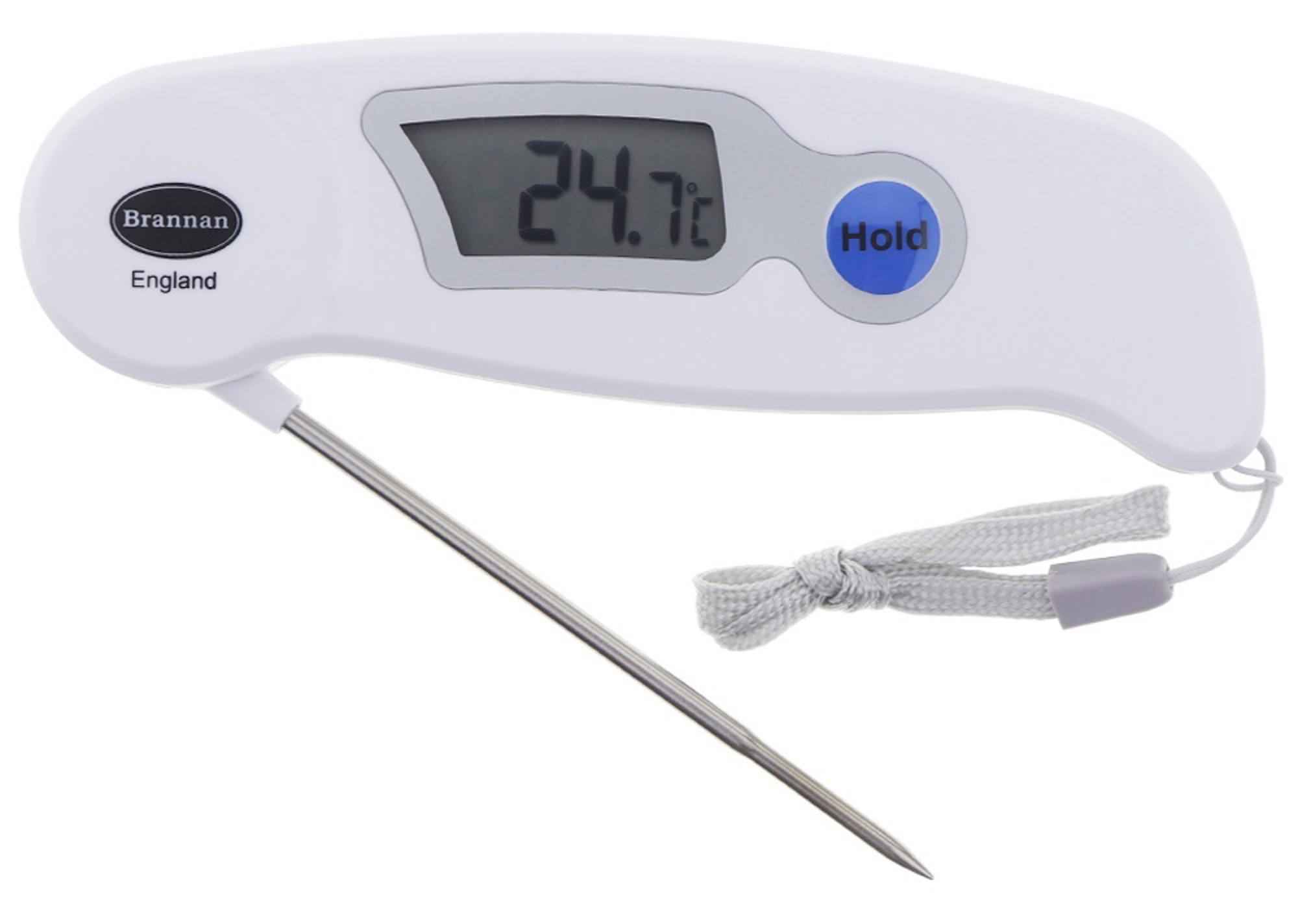
For dough temp + checking doneness (95–98°C internal).
Shop Brannan Stainless Steel Folding Probe Thermometer · £13.50Bench scraperEssential
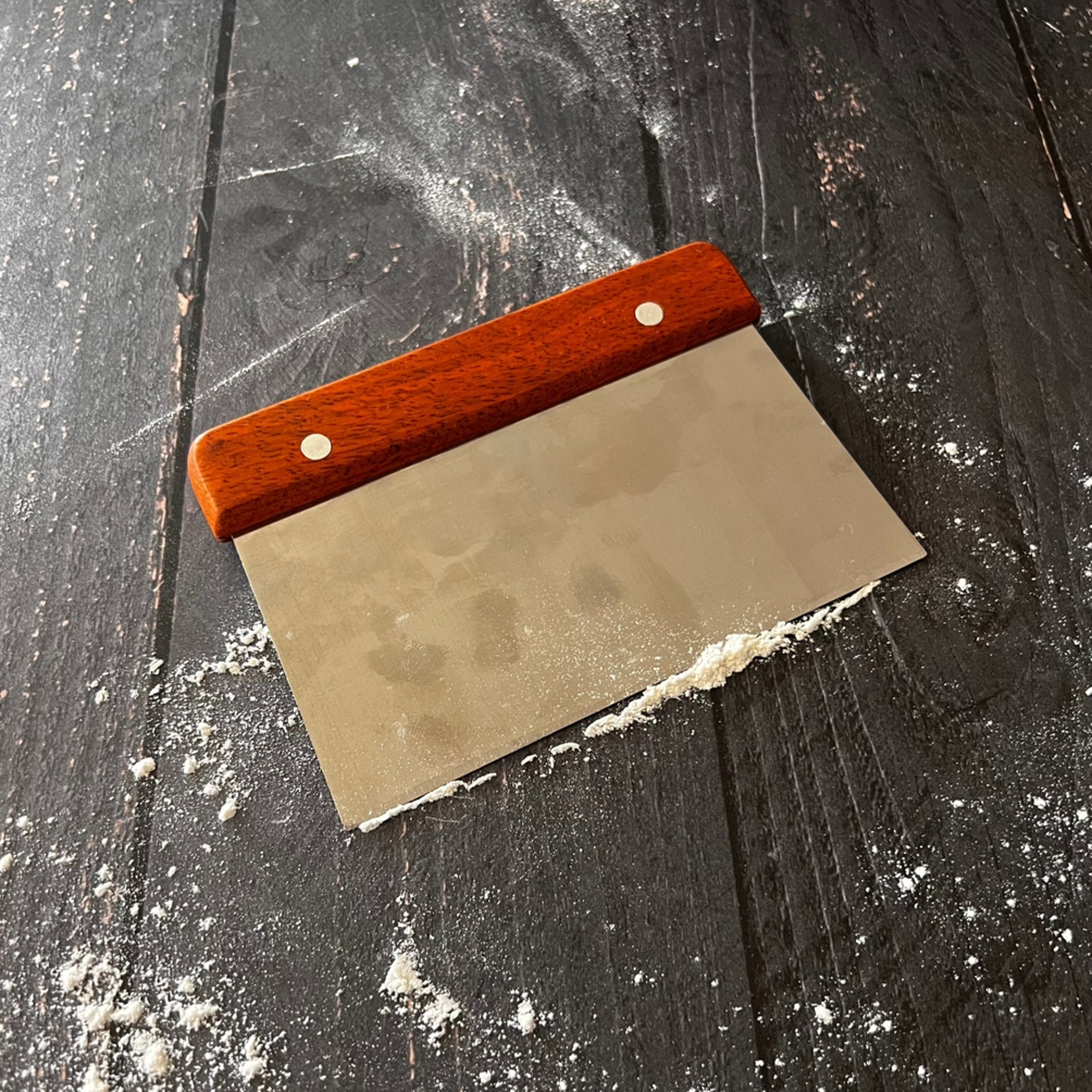
For dividing, shaping and cleaning sticky dough.
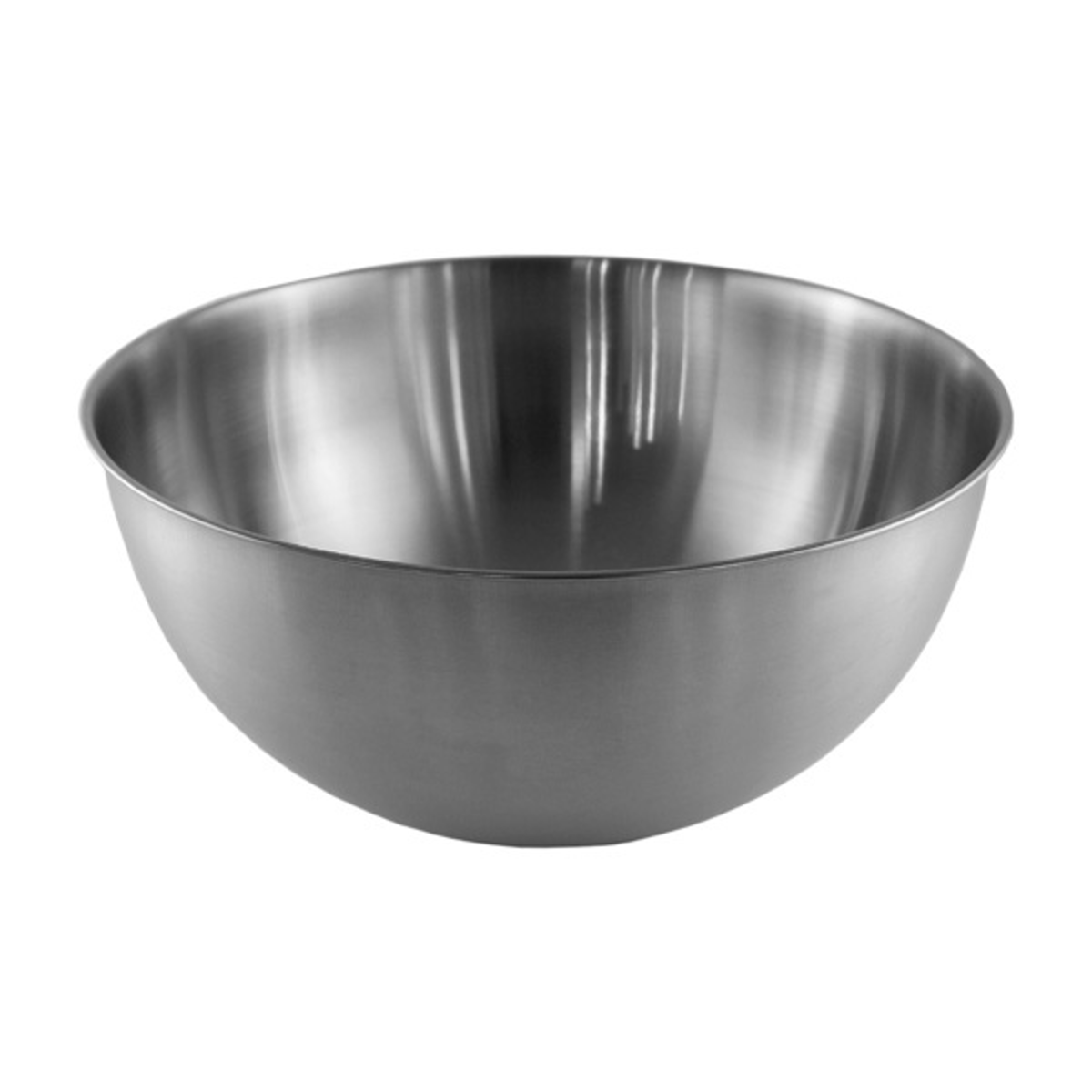
Shop Wooden Bench Scraper · £12.00Large mixing bowl + cover
Glass or clear plastic helps you see fermentation activity.
Shop Probus Stainless Steel Mixing Bowl (3.6L) · £9.75Heavy cast-iron or carbon-steel panEssential
Needs to get smoking hot to puff the bread in seconds.
Rolling pin
Light pressure only — too much rolling kills the puff.
Ingredient notes
Why each ingredient matters — and what you can swap.
Bread flour
Higher protein (12–13%) gives the dough the strength to trap gas. Don't substitute with cake flour.
Sub: All-purpose + 1 tbsp vital wheat gluten per 500g
Water
Use filtered water if yours is heavily chlorinated — chlorine can slow yeast and starters.
Sub: Tap water is fine for most baking
Olive oil
Adds tenderness, helps shelf life, and contributes flavour. Use the best you can afford.
Sub: Neutral oil if you don't want olive notes
Salt
Flavour plus gluten reinforcement. Without salt, the dough is slack and the loaf tastes flat.
Sub: Fine sea salt — avoid iodised table salt
Instant yeast
Add directly to flour, no need to bloom. Keep refrigerated once opened.
Sub: Active dry yeast (×1.25), or 3g fresh yeast per 1g instant
Sensory cues per stage
Dough is ready when… look, feel, smell.
After mixing
- Look
- Shaggy, lumpy
- Feel
- Sticky, no spring
- Smell
- Faint wheat
After kneading / folds
- Look
- Smooth, slightly glossy
- Feel
- Tacky but releases from your hands
- Smell
- Mild, sweet
End of bulk
- Look
- Risen, domed, bubbles on the sides
- Feel
- Light, jiggly, springs back slowly
- Smell
- Yeasty, faintly fruity
End of final proof
- Look
- Risen 75–100%, slight wobble
- Feel
- Springs back slowly leaving a small dimple
- Smell
- Fully developed yeast aroma
Troubleshooting
Symptom → cause → fix. Use it mid-bake.
| Symptom | Cause | Fix |
|---|---|---|
| Loaf collapses in the oven | Overproofed final rise | Bake when dough springs back slowly to a gentle press, leaving a small dimple — not when it stays flat. |
| Tight, even crumb (no holes) | Underproofed or too much flour added when shaping | Extend final proof 15–30 min. Shape on a barely-floured surface; flour the dough, not the bench. |
| Yeasty/alcoholic smell | Bulk went too long | Watch the dough, not the clock. End bulk at 50–75% rise, depending on shape. |
| Crust shatters / shells off | Cooled in a draught or sliced when steaming | Cool on a wire rack at room temp; wait at least 1 hr. |
| Dense, gummy crumb | Underbaked or sliced too soon | Bake until internal temp hits 95–98°C / 203–208°F. Cool fully (1 hr+) before slicing. |
| Pale crust, no colour | Oven not hot enough or no steam in the first 10 min | Preheat 30+ min. Add steam (ice in a hot tray, or covered Dutch oven) for the first 10 min. |
| Burnt bottom, raw centre | Tray sitting on a hot stone or rack too low | Move bake to the middle rack. Use a doubled tray or bake on parchment, not directly on metal. |
| Dough tears when shaping | Underdeveloped gluten or too cold | Add a stretch & fold every 30 min during bulk. Let dough come to 22–24°C before shaping. |
| Sticky, unworkable dough | Hydration too high for your flour, or not enough mixing | Wet hands instead of flouring. Do 2–3 sets of stretch & folds — flour develops with time, not extra flour. |
- • Roll evenly thin — uneven thickness stops the pocket from forming.
- • Let rolled discs rest 10 min before baking so they relax.
- • Smooth, slightly stiff dough.
- • Full balloon puff in the oven, then deflates as it cools.
- • Oven not hot enough — no puff, no pocket.
Make-ahead
- Bulk in the fridge: shape, cover and refrigerate the shaped loaf for 12–24 hr. Bake straight from cold.
- Freeze shaped (unproofed) dough wrapped tightly in cling film + foil for up to 4 weeks. Thaw in fridge overnight, then proof at room temp.
Storage
- Store crusty loaves cut-side-down on a board, uncovered, for 1–2 days. The cut face stays soft; the crust stays crisp.
- For 3–5 day storage: paper bag inside a bread box. Avoid plastic — it softens the crust and traps moisture.
- Freeze whole or sliced in a freezer bag for up to 3 months. Toast slices straight from frozen.
- To revive day-old bread: spritz with water and re-bake at 180°C / 355°F for 5–7 min.
Variations
Spin-offs once you've nailed the base recipe.
Seeded crust
Brush proofed loaf with water, roll in mixed seeds before baking.
Herb & olive oil
Add 15g olive oil + 5g dried mixed herbs at mix.
Soft milk loaf
Replace 30% of water with milk + add 20g butter for a softer crumb.
Substitutions
Smart swaps that actually work — with the gotchas spelled out.
Flour swaps
→ All-purpose flour (10–11%)
up to 100%Hydration: -2%Structure: weakerCrumb will be a touch softer and less chewy. Reduce hydration ~2% to compensate for lower protein.
→ Italian Tipo 00 (9–12%)
up to 100%Hydration: 0%Structure: neutralTipo 00 (Caputo Pizzeria) is ideal for pizza/focaccia — extensible, fine crumb. Less ideal for high-rise loaves.
→ Whole wheat (red)
up to 30%Hydration: +5%Structure: weakerAbove 30% the crumb tightens noticeably. Add 5% more water per 30% swap. Long autolyse (1 hr+) helps the bran soften.
→ Whole wheat (white)
up to 50%Hydration: +4%Structure: weakerWhite whole wheat is milder than red — easier swap. Up to 50% works without major changes beyond hydration.
→ Rye (medium or dark)
up to 20%Hydration: +6%Structure: weakerRye lacks gluten-forming proteins — keep below 20% in a wheat-based loaf. Add 6% water; expect a denser, tangier crumb.
→ Spelt
up to 50%Hydration: +2%Structure: weakerSpelt is more extensible and ferments faster. Reduce bulk ferment by 15–20% and watch closely — it overproofs quickly.
→ Einkorn
up to 25%Hydration: -3%Structure: weakerEinkorn drinks less water and has weak gluten. Keep below 25%, reduce hydration ~3%, do not overknead.
→ Semolina (durum)
up to 30%Hydration: +2%Structure: neutralAdds yellow colour, nutty flavour, classic Italian chew. Pairs beautifully with bread flour at 20–30%.
Yeast converter
For fresh yeast, use 3× the instant amount. For active dry, use 1.25× and bloom in warm water (38°C / 100°F) for 5 min before mixing. Open the calculator for exact gram conversions.
Baker's notes
- Weigh your water too — it's far more accurate than measuring cups, especially at high hydration.
- Dough temperature is the most under-rated variable. Aim for 24–26°C at the end of mix; cool kitchen = warm water, warm kitchen = cold water.
- End fermentation by sight and feel, not the clock. The times in this recipe assume 22°C ambient — a 4°C swing changes everything.
Serving
- Cool fully on a wire rack. Slice with a serrated knife — saw, don't press.
Recommended kit
All tools →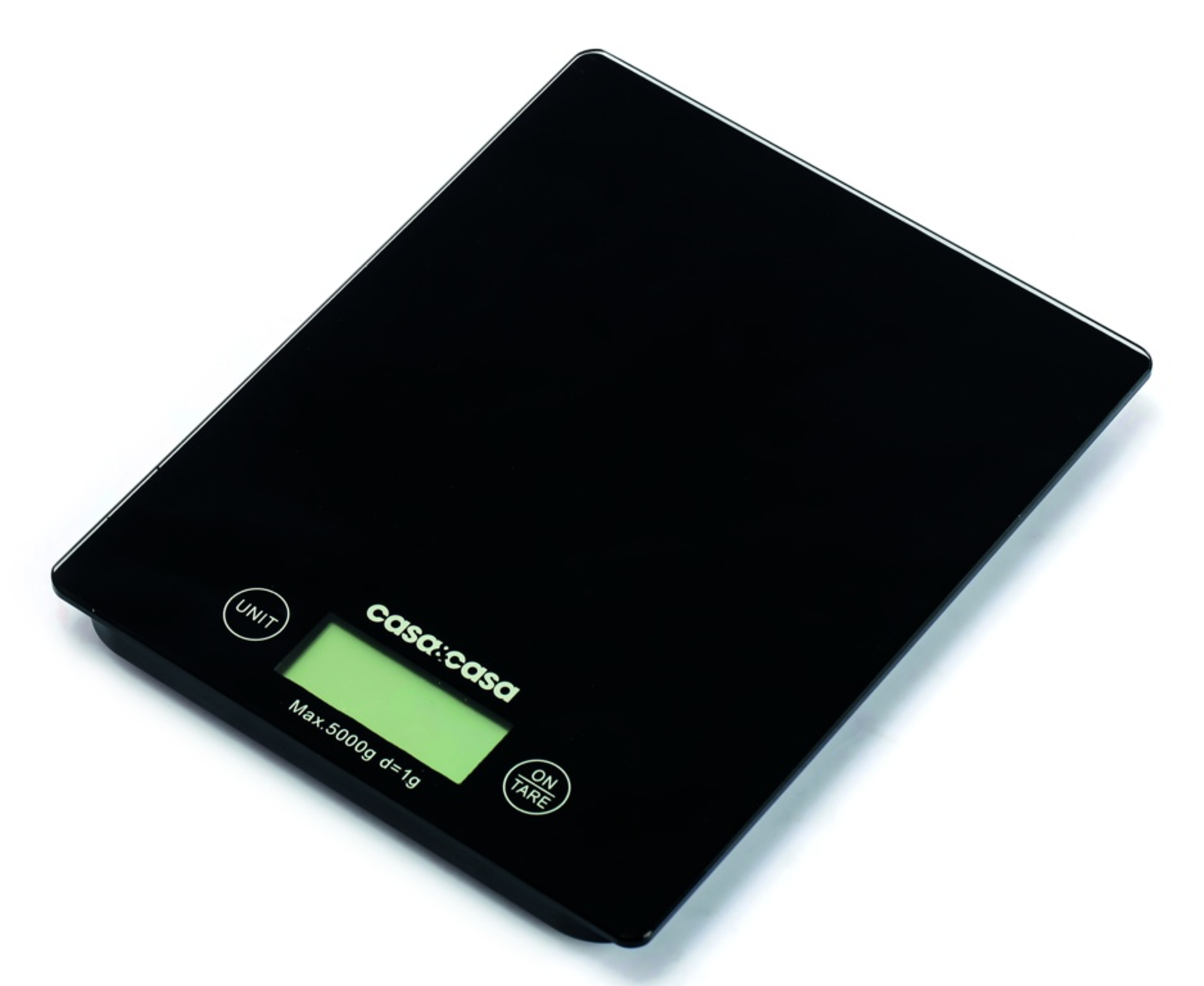
Reviews