Quick Breads
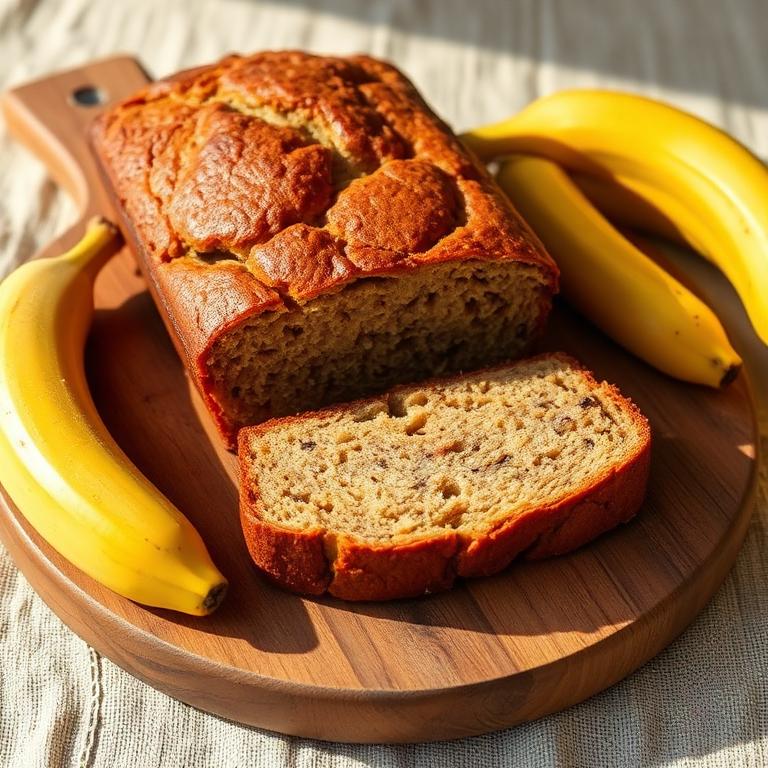
Banana Bread
Schedule
Kitchen temperature
22°C · AverageCooler kitchens slow fermentation; warmer ones speed it up. Proof times below adjust automatically — always go by the dough's look and feel, not just the clock.
Bake in a buttered loaf tin until a skewer comes out with moist crumbs (not wet batter).
Plan this bake
Pick when you want to eat — we'll work backwards.
Method
Preferment
Add a pre-fermented sponge for deeper flavour, better crumb and longer keeping.
Straight dough
—
Mix everything at once. Fastest route to bread.
Why use it
- Quick — same day bake
- Beginner-friendly
- Predictable timing
How to build
- 1.Mix all ingredients in one go.
- 2.Bulk, shape, proof, bake.
Smart calculator
Ingredients
906g total · 906g/loaf
- Plain flour250g · 100.0%
- Mashed banana300g · 120.0%
- Sugar150g · 60.0%
- Butter100g · 40.0%
- Eggs100g · 40.0%
- Baking soda3.8g · 1.5%
- Salt2.5g · 1.0%
By Hand method
Before you start
- Use water at 24–28°C / 75–82°F for standard yeasted dough — friction from your hands adds 1–2°C.
- If your kitchen is above 24°C, use cooler water and shorten the knead.
- 1
Cream butter and sugar until pale and fluffy.
3 min - 2
Beat in eggs one at a time, then mashed banana.
2 min - 3
Fold in flour, soda, and salt — stop the moment no dry flour remains.
1 min - 4
Pour into a buttered loaf tin and bake at 175°C / 350°F for 50–60 min.
55 min
Equipment & gear
Digital scale (1g resolution)Essential
Bread is chemistry — cups won't cut it.
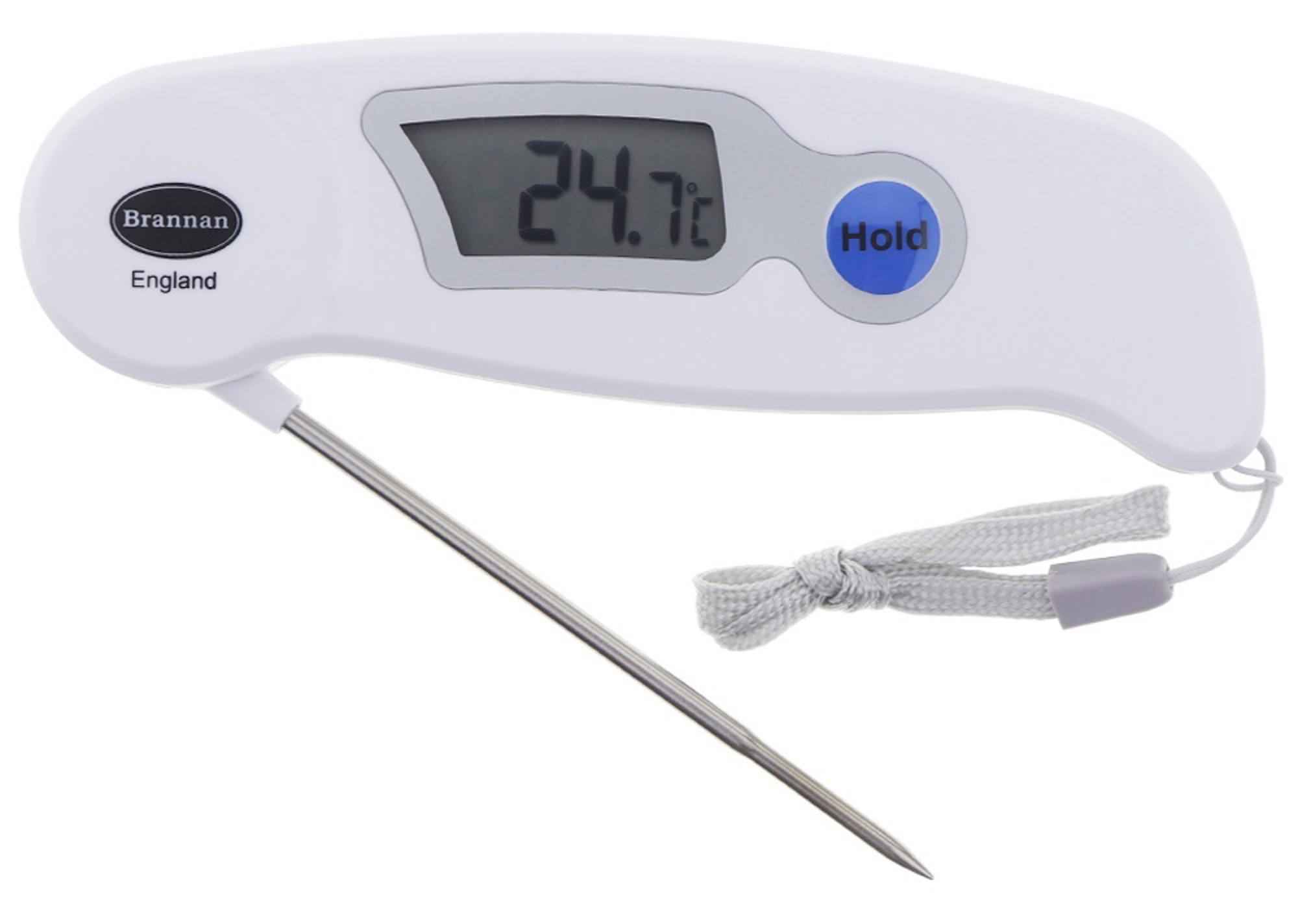
Shop Casa & Casa Electronic Kitchen Scale · £11.75Instant-read thermometerEssential
For dough temp + checking doneness (95–98°C internal).
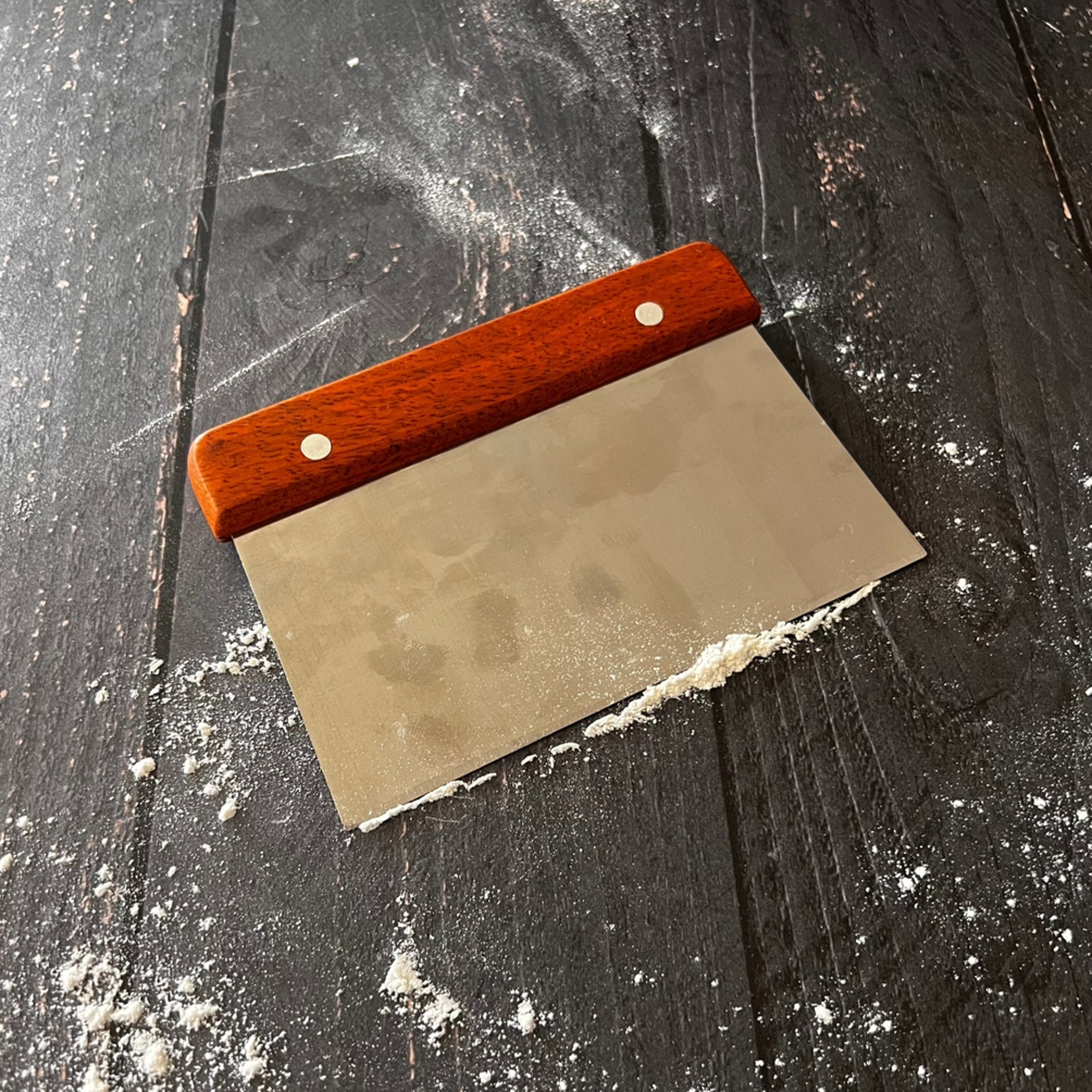
Shop Brannan Stainless Steel Folding Probe Thermometer · £13.50Bench scraperEssential
For dividing, shaping and cleaning sticky dough.
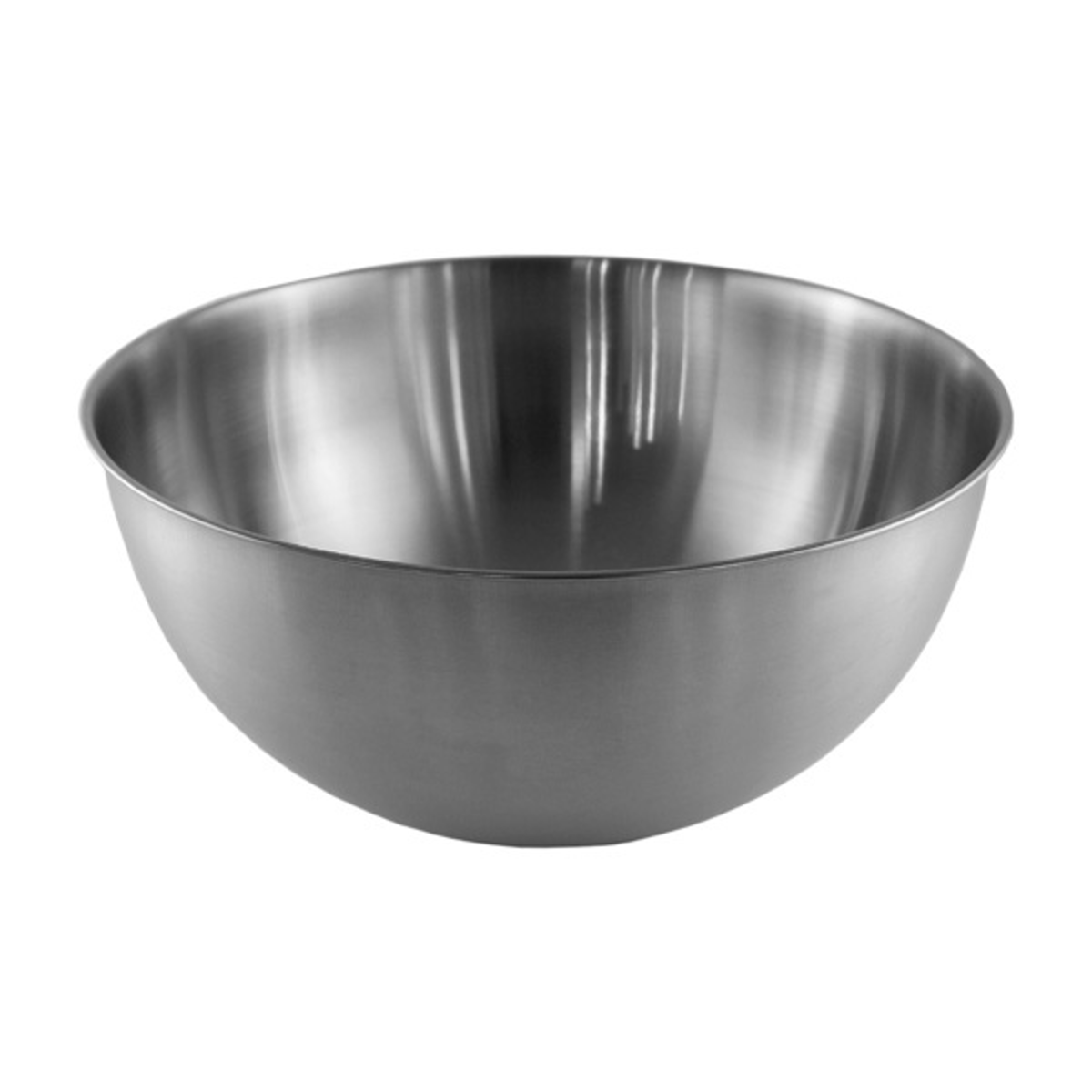
Shop Wooden Bench Scraper · £12.00Large mixing bowl + cover
Glass or clear plastic helps you see fermentation activity.
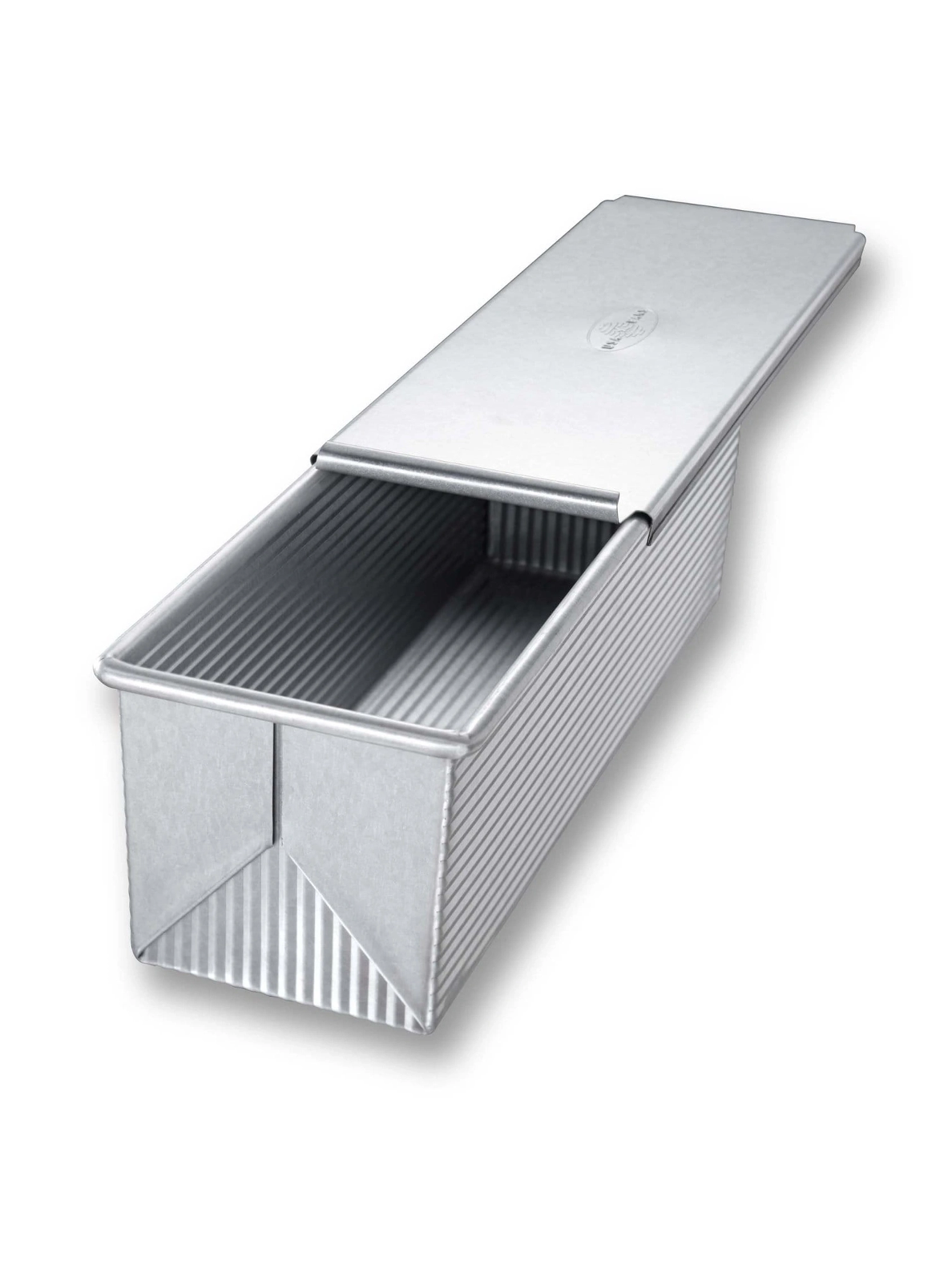
Shop Probus Stainless Steel Mixing Bowl (3.6L) · £9.75Loaf tin (450g/1lb)
Dark anodised tins brown the crust better than shiny aluminium.
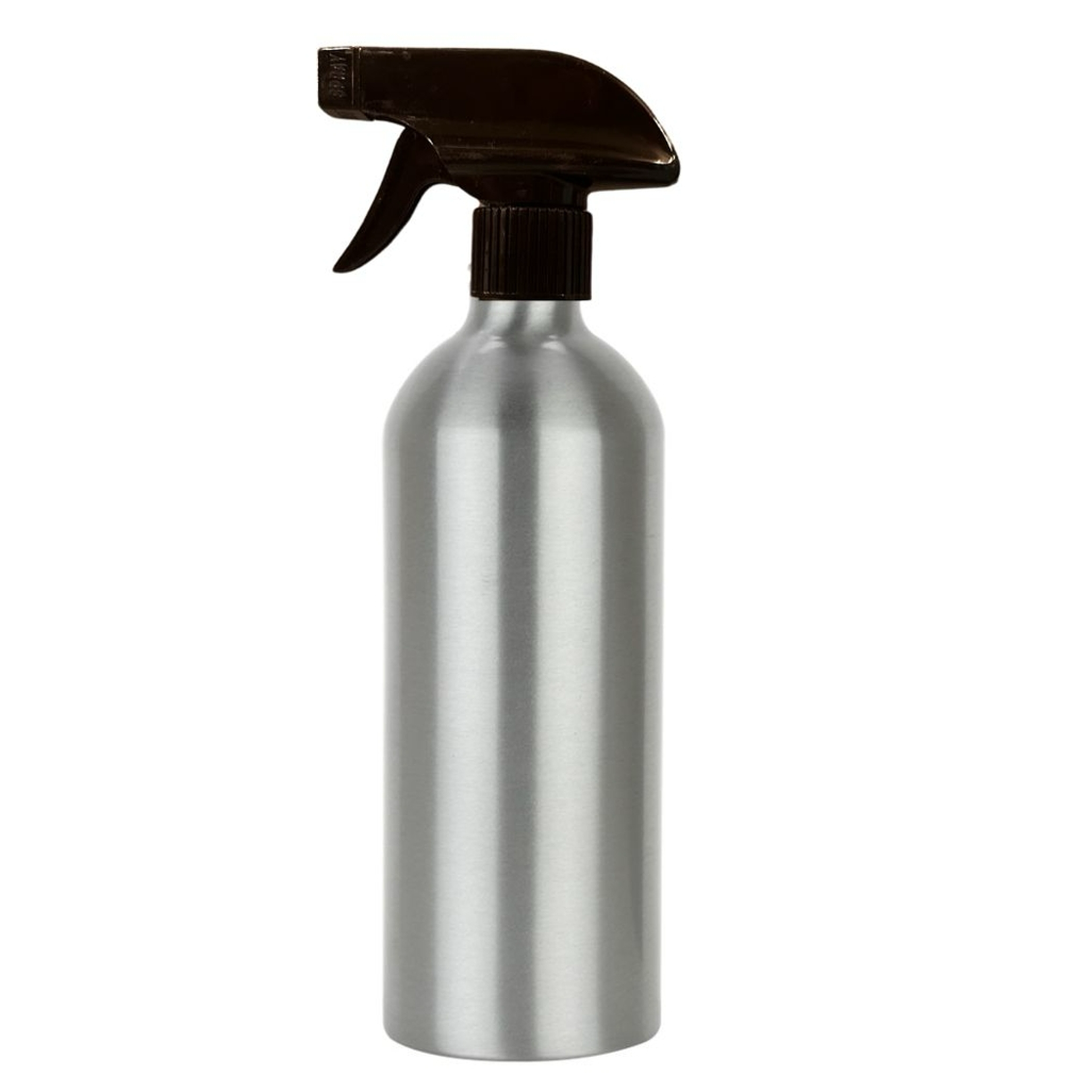
Shop Large Pullman Loaf Pan & Cover (13 × 4 × 4 in) · £35.00Spray bottle for steam
Mist the oven walls (not the bread) right after loading.
Shop 16oz Aluminum Spray Bottle · £5.90
Ingredient notes
Why each ingredient matters — and what you can swap.
Plain flour
Weigh in grams for consistent results.
Mashed banana
Weigh in grams for consistent results.
Sugar
Feeds the yeast and adds tenderness. Caster sugar dissolves fastest.
Sub: Honey or maple syrup (×0.8 by weight)
Butter
Use European-style (82%+ fat) for richer flavour. Soften to 18°C before adding — not melted.
Sub: Cultured butter for extra tang
Eggs
Adds richness, colour and structure. Use weighed grams for accuracy — egg sizes vary.
Sub: Large free-range eggs (50g without shell)
Baking soda
Weigh in grams for consistent results.
Sensory cues per stage
Dough is ready when… look, feel, smell.
After mixing
- Look
- Shaggy, lumpy
- Feel
- Sticky, no spring
- Smell
- Faint wheat
After kneading / folds
- Look
- Smooth, slightly glossy
- Feel
- Tacky but releases from your hands
- Smell
- Mild, sweet
End of bulk
- Look
- Risen, domed, bubbles on the sides
- Feel
- Light, jiggly, springs back slowly
- Smell
- Yeasty, faintly fruity
End of final proof
- Look
- Risen 75–100%, slight wobble
- Feel
- Springs back slowly leaving a small dimple
- Smell
- Fully developed yeast aroma
Troubleshooting
Symptom → cause → fix. Use it mid-bake.
| Symptom | Cause | Fix |
|---|---|---|
| Loaf collapses in the oven | Overproofed final rise | Bake when dough springs back slowly to a gentle press, leaving a small dimple — not when it stays flat. |
| Tight, even crumb (no holes) | Underproofed or too much flour added when shaping | Extend final proof 15–30 min. Shape on a barely-floured surface; flour the dough, not the bench. |
| Yeasty/alcoholic smell | Bulk went too long | Watch the dough, not the clock. End bulk at 50–75% rise, depending on shape. |
| Crust shatters / shells off | Cooled in a draught or sliced when steaming | Cool on a wire rack at room temp; wait at least 1 hr. |
| Dense, gummy crumb | Underbaked or sliced too soon | Bake until internal temp hits 95–98°C / 203–208°F. Cool fully (1 hr+) before slicing. |
| Pale crust, no colour | Oven not hot enough or no steam in the first 10 min | Preheat 30+ min. Add steam (ice in a hot tray, or covered Dutch oven) for the first 10 min. |
| Burnt bottom, raw centre | Tray sitting on a hot stone or rack too low | Move bake to the middle rack. Use a doubled tray or bake on parchment, not directly on metal. |
| Dough tears when shaping | Underdeveloped gluten or too cold | Add a stretch & fold every 30 min during bulk. Let dough come to 22–24°C before shaping. |
| Sticky, unworkable dough | Hydration too high for your flour, or not enough mixing | Wet hands instead of flouring. Do 2–3 sets of stretch & folds — flour develops with time, not extra flour. |
- • Use very ripe, almost black bananas for the deepest flavour.
- • Don't overmix once flour is added — keeps the crumb tender.
- • Thick, pourable batter, not stiff.
- • Cracked, deep-golden top with caramelised edges.
- • Skipping the rest after mixing — 10 min lets the flour hydrate.
Make-ahead
- Bulk in the fridge: shape, cover and refrigerate the shaped loaf for 12–24 hr. Bake straight from cold.
- Freeze shaped (unproofed) dough wrapped tightly in cling film + foil for up to 4 weeks. Thaw in fridge overnight, then proof at room temp.
Storage
- Store crusty loaves cut-side-down on a board, uncovered, for 1–2 days. The cut face stays soft; the crust stays crisp.
- For 3–5 day storage: paper bag inside a bread box. Avoid plastic — it softens the crust and traps moisture.
- Freeze whole or sliced in a freezer bag for up to 3 months. Toast slices straight from frozen.
- To revive day-old bread: spritz with water and re-bake at 180°C / 355°F for 5–7 min.
Variations
Spin-offs once you've nailed the base recipe.
Seeded crust
Brush proofed loaf with water, roll in mixed seeds before baking.
Herb & olive oil
Add 15g olive oil + 5g dried mixed herbs at mix.
Soft milk loaf
Replace 30% of water with milk + add 20g butter for a softer crumb.
Substitutions
Smart swaps that actually work — with the gotchas spelled out.
Flour swaps
→ All-purpose flour (10–11%)
up to 100%Hydration: -2%Structure: weakerCrumb will be a touch softer and less chewy. Reduce hydration ~2% to compensate for lower protein.
→ Italian Tipo 00 (9–12%)
up to 100%Hydration: 0%Structure: neutralTipo 00 (Caputo Pizzeria) is ideal for pizza/focaccia — extensible, fine crumb. Less ideal for high-rise loaves.
→ Whole wheat (red)
up to 30%Hydration: +5%Structure: weakerAbove 30% the crumb tightens noticeably. Add 5% more water per 30% swap. Long autolyse (1 hr+) helps the bran soften.
→ Whole wheat (white)
up to 50%Hydration: +4%Structure: weakerWhite whole wheat is milder than red — easier swap. Up to 50% works without major changes beyond hydration.
→ Rye (medium or dark)
up to 20%Hydration: +6%Structure: weakerRye lacks gluten-forming proteins — keep below 20% in a wheat-based loaf. Add 6% water; expect a denser, tangier crumb.
→ Spelt
up to 50%Hydration: +2%Structure: weakerSpelt is more extensible and ferments faster. Reduce bulk ferment by 15–20% and watch closely — it overproofs quickly.
→ Einkorn
up to 25%Hydration: -3%Structure: weakerEinkorn drinks less water and has weak gluten. Keep below 25%, reduce hydration ~3%, do not overknead.
→ Semolina (durum)
up to 30%Hydration: +2%Structure: neutralAdds yellow colour, nutty flavour, classic Italian chew. Pairs beautifully with bread flour at 20–30%.
Fat swaps
Unsalted butter → Vegan block butter (e.g. Naturli, Flora Plant)
Ratio: 1:1 by weight
Choose a block-style vegan butter (>75% fat). Spreadable tubs have too much water and weaken structure.
Unsalted butter → Olive oil
Ratio: 0.85:1 (e.g. 85g oil for 100g butter)
Crumb becomes more tender and less pull-apart. Best in flatbreads and rustic loaves; not recommended for laminated doughs.
Unsalted butter → Lard
Ratio: 1:1
Traditional in many enriched breads (panettone, certain rolls). Adds mild savoury note and excellent flake.
Dairy swaps
Whole milk → Oat milk (barista blend)
Ratio: 1:1
Use a full-fat barista blend — it has the protein and fat needed for proper crust colour and tender crumb.
Whole milk → Soy milk (unsweetened)
Ratio: 1:1
Most neutral plant milk for bread. Avoid sweetened versions.
Whole milk → Water + 2% extra fat
Ratio: 1:1 milk → water; add 2% butter or oil
Crumb will be slightly less tender but works well in lean enriched doughs like soft rolls.
Buttermilk → Milk + 1 tsp lemon juice or vinegar per 240ml
Ratio: Stir, rest 5 min before using
DIY buttermilk works perfectly for soda breads and enriched doughs.
Sugar swaps
Granulated sugar → Honey
Ratio: 0.75:1 by weight; reduce liquid by 20%
Honey adds moisture and faster browning. Excellent for soft rolls, milk breads, and brioche tweaks.
Granulated sugar → Maple syrup
Ratio: 0.75:1 by weight; reduce liquid by 20%
Subtle flavour, great with whole grains.
Granulated sugar → Coconut sugar / muscovado
Ratio: 1:1
Adds caramel notes and slightly darker crumb.
Egg swaps
Whole egg (50g) → Aquafaba (chickpea brine)
Ratio: 3 tbsp per egg (~45g)
Best plant-based egg sub for enriched breads — provides emulsification and helps with structure. Use unsalted aquafaba.
Whole egg (50g) → Flax egg
Ratio: 1 tbsp ground flax + 3 tbsp water, rest 10 min
Adds slight nuttiness. Works in heavier enriched loaves; not ideal where lift depends on egg (e.g. brioche).
Egg wash (for shine) → Milk + maple syrup, or aquafaba
Ratio: Brush thin layer
Both give golden crust without animal products. Aquafaba browns beautifully.
Yeast converter
For fresh yeast, use 3× the instant amount. For active dry, use 1.25× and bloom in warm water (38°C / 100°F) for 5 min before mixing. Open the calculator for exact gram conversions.
Baker's notes
- Weigh your water too — it's far more accurate than measuring cups, especially at high hydration.
- Dough temperature is the most under-rated variable. Aim for 24–26°C at the end of mix; cool kitchen = warm water, warm kitchen = cold water.
- End fermentation by sight and feel, not the clock. The times in this recipe assume 22°C ambient — a 4°C swing changes everything.
Serving
- Cool fully on a wire rack. Slice with a serrated knife — saw, don't press.
Recommended kit
All tools →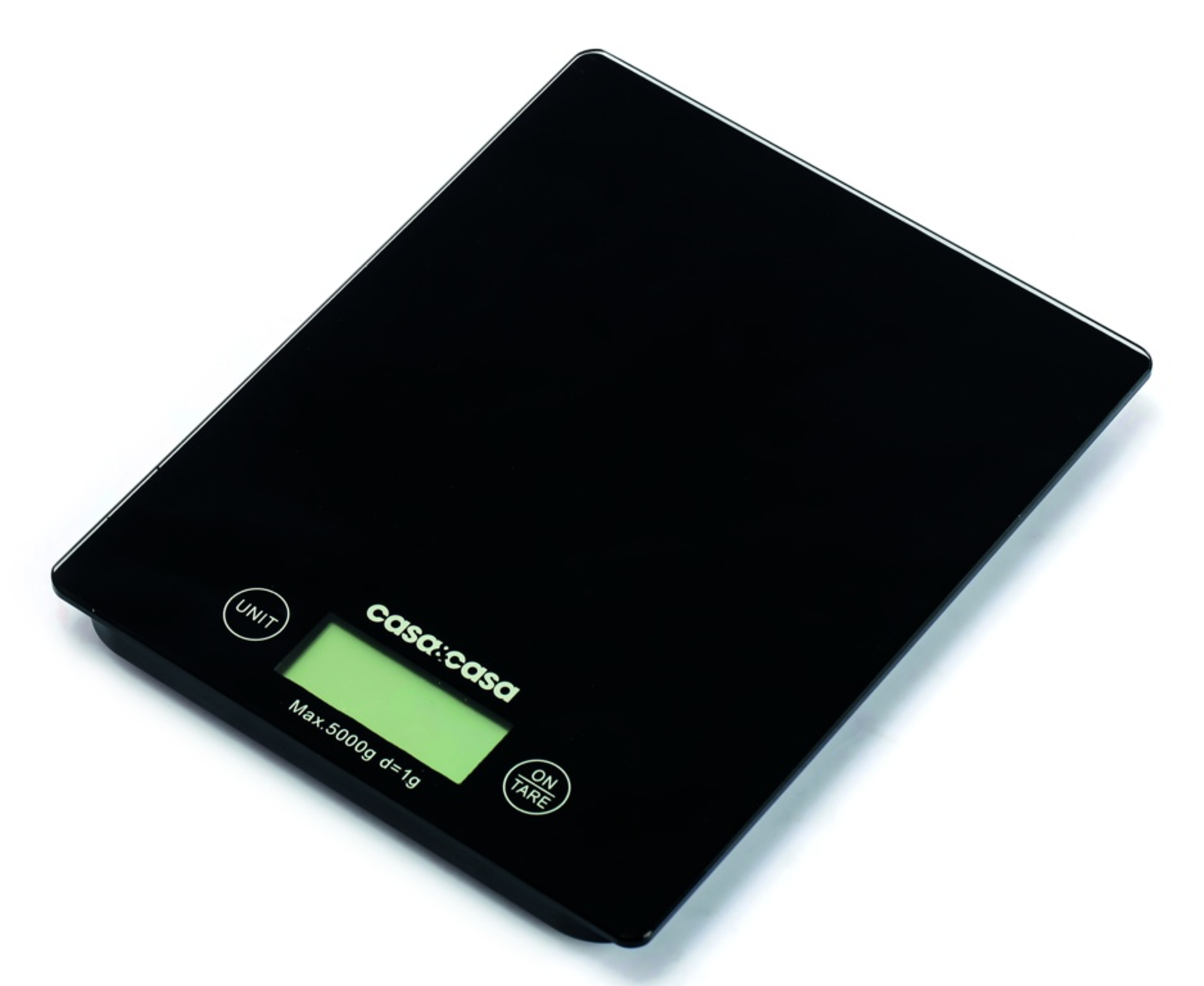
Reviews